The largest country in the world

From imperial palaces and world-famous theatres to Siberian mountains and wooden churches, Russia has something to amaze every visitor.

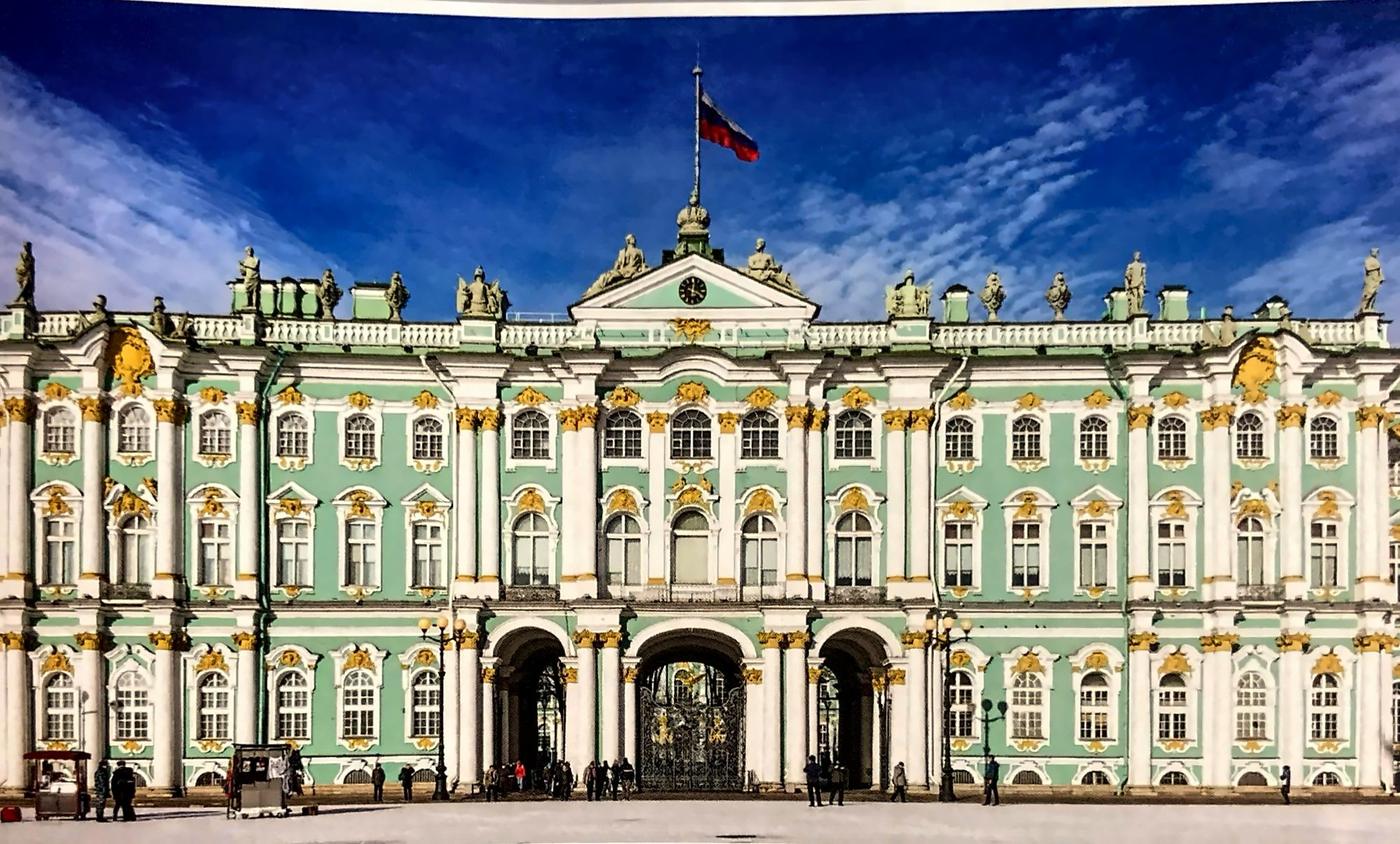
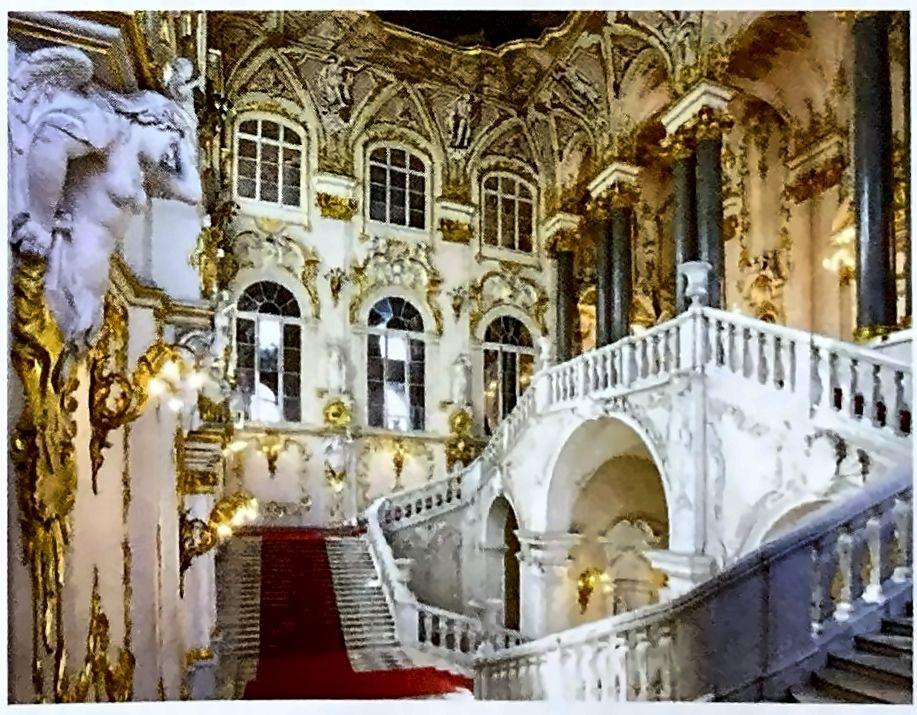
The green and white façade of the Winter Palace in St PetersburgThe white and gold Jordan Staircase in the Winter Palace

St Petersburg

The Winter Palace and the Hermitage

St Petersburg, a port city on the Baltic Sea founded by Peter the Great in 1703, was the imperial capital of Russia for two centuries and remains its cultural capital, home to the Mariinsky Theatre and the Russian Museum.

The Winter Palace was the official residence of the Russian emperors from 1732 to 1917. Today it houses the Hermitage Museum, one of the largest art museums in the world, with its famous Jordan Staircase and golden state halls.
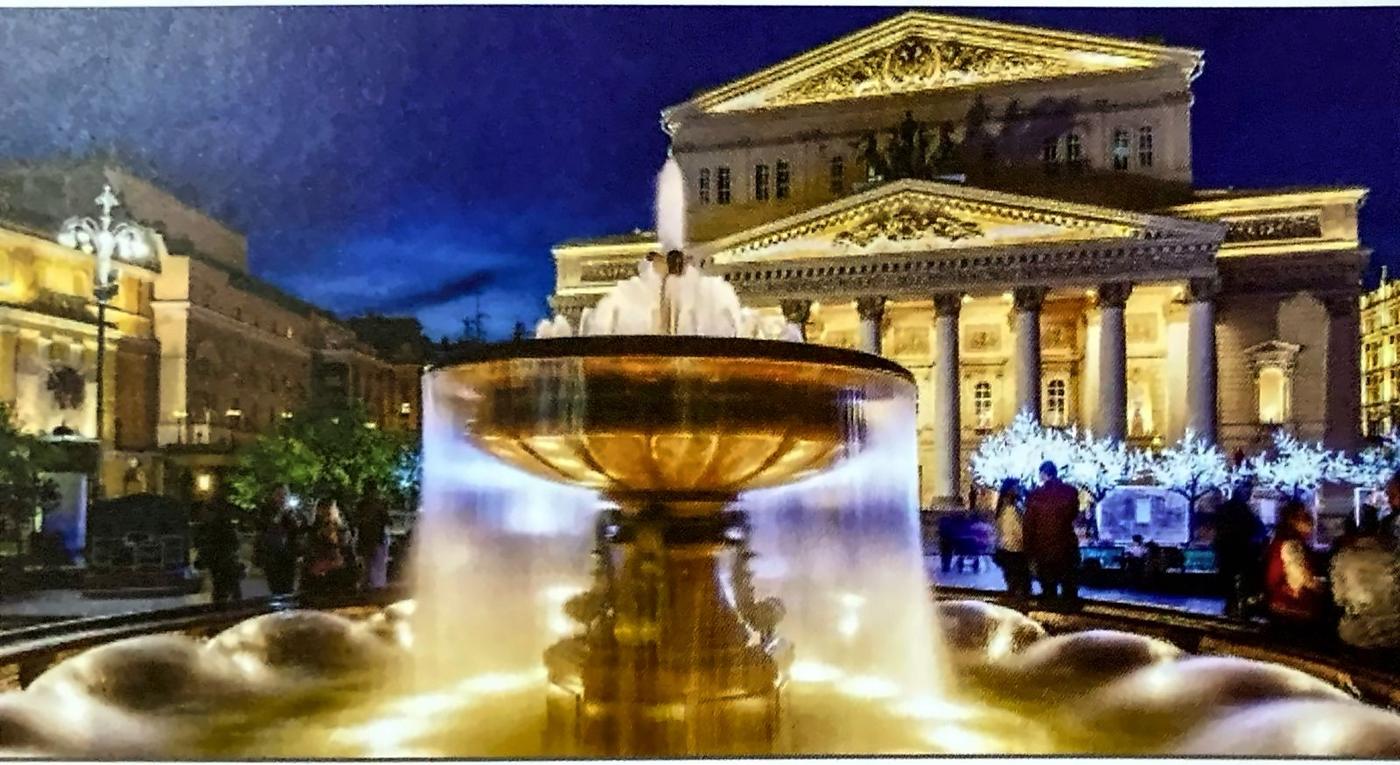
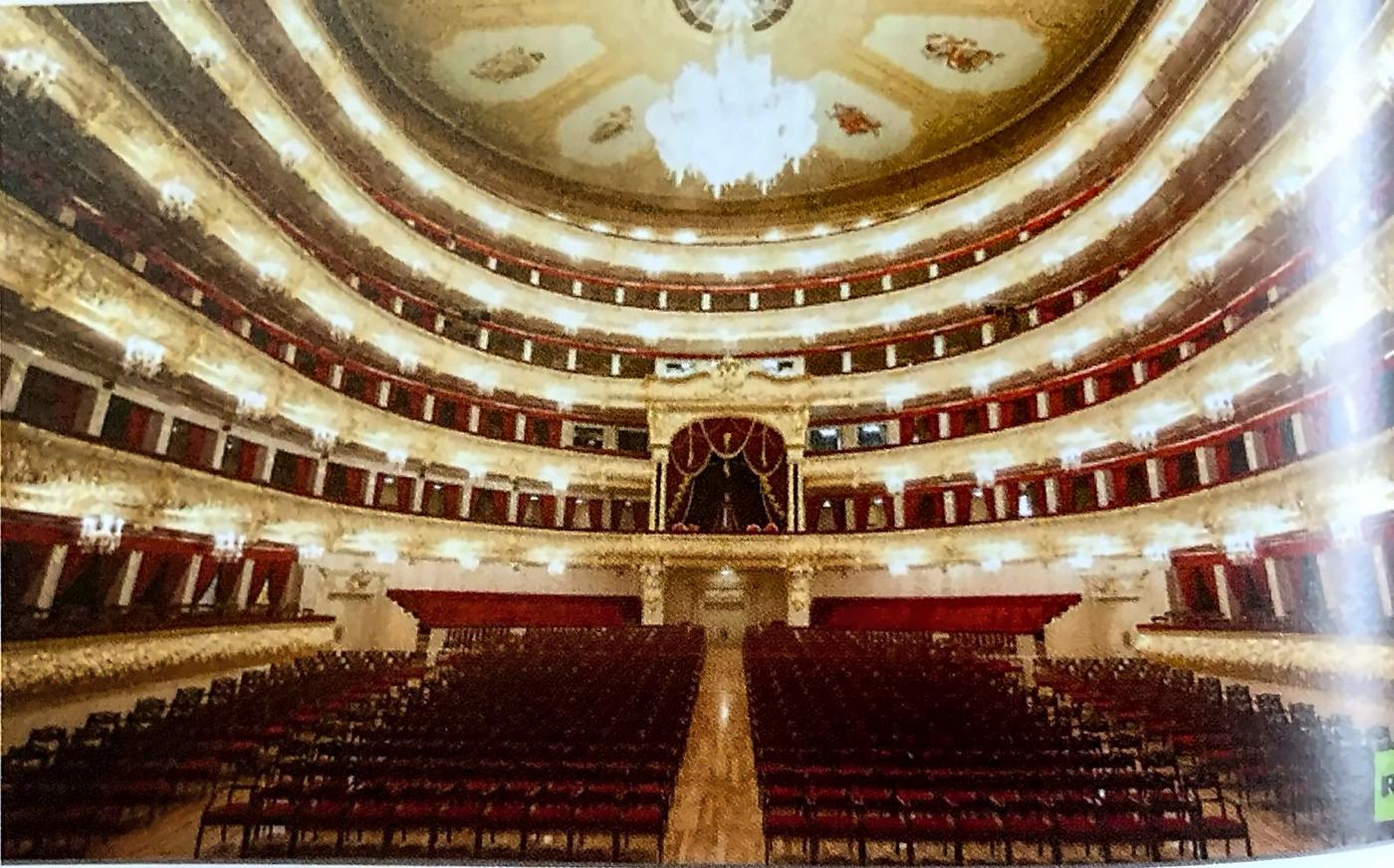
The Bolshoi Theatre lit up at night behind a fountainThe red and gold auditorium of the Bolshoi Theatre

Moscow

The Bolshoi Theatre

Standing tall among the architectural wonders of Moscow, the Bolshoi Theatre is world-famous for opera and ballet. Its neoclassical façade was designed by architect Joseph Bové and completed in 1825.

Rebuilt and restored many times while keeping its grandeur, the Bolshoi has been the birthplace of great ballet masterpieces and still presents a season of productions every year.

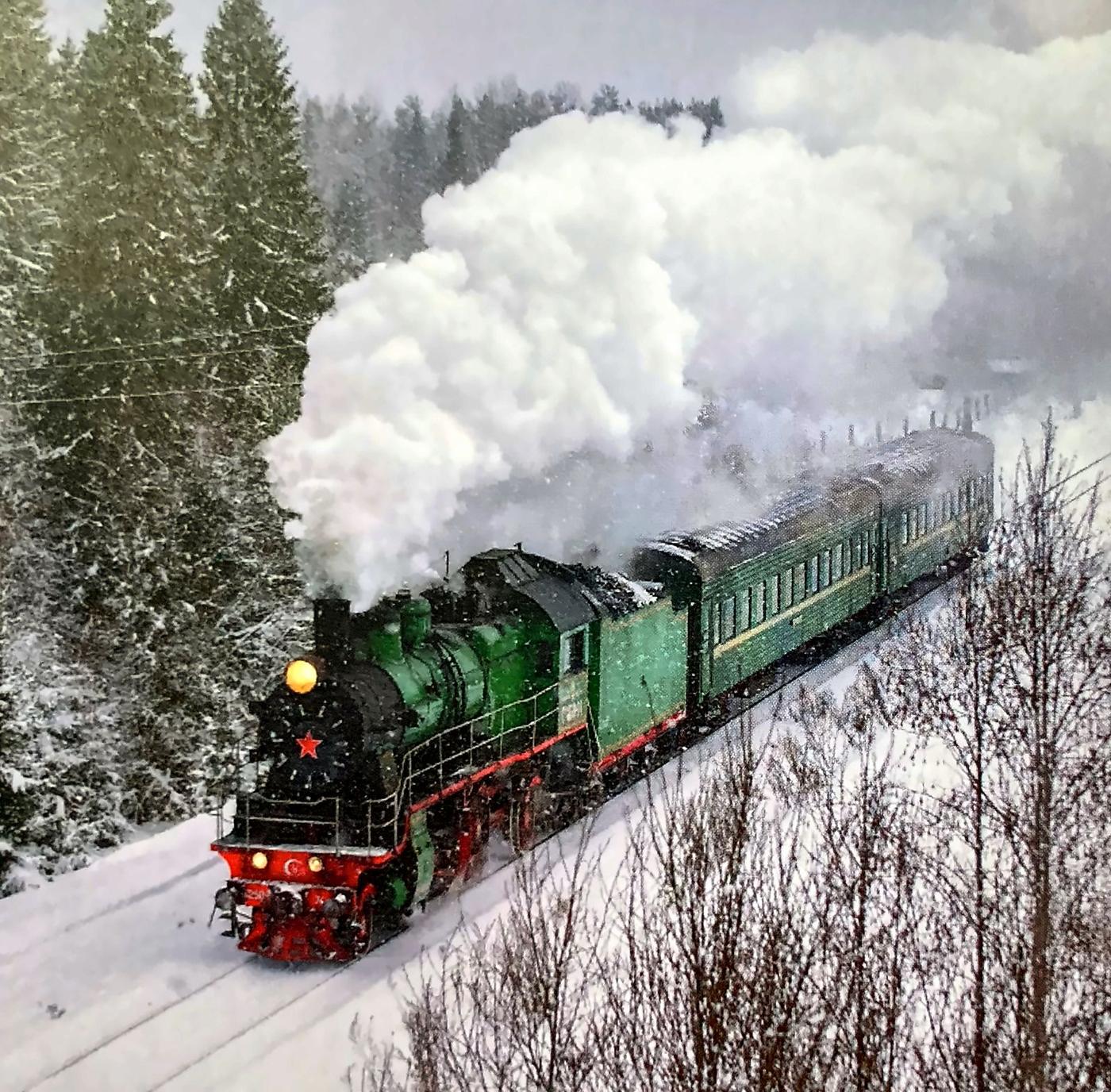
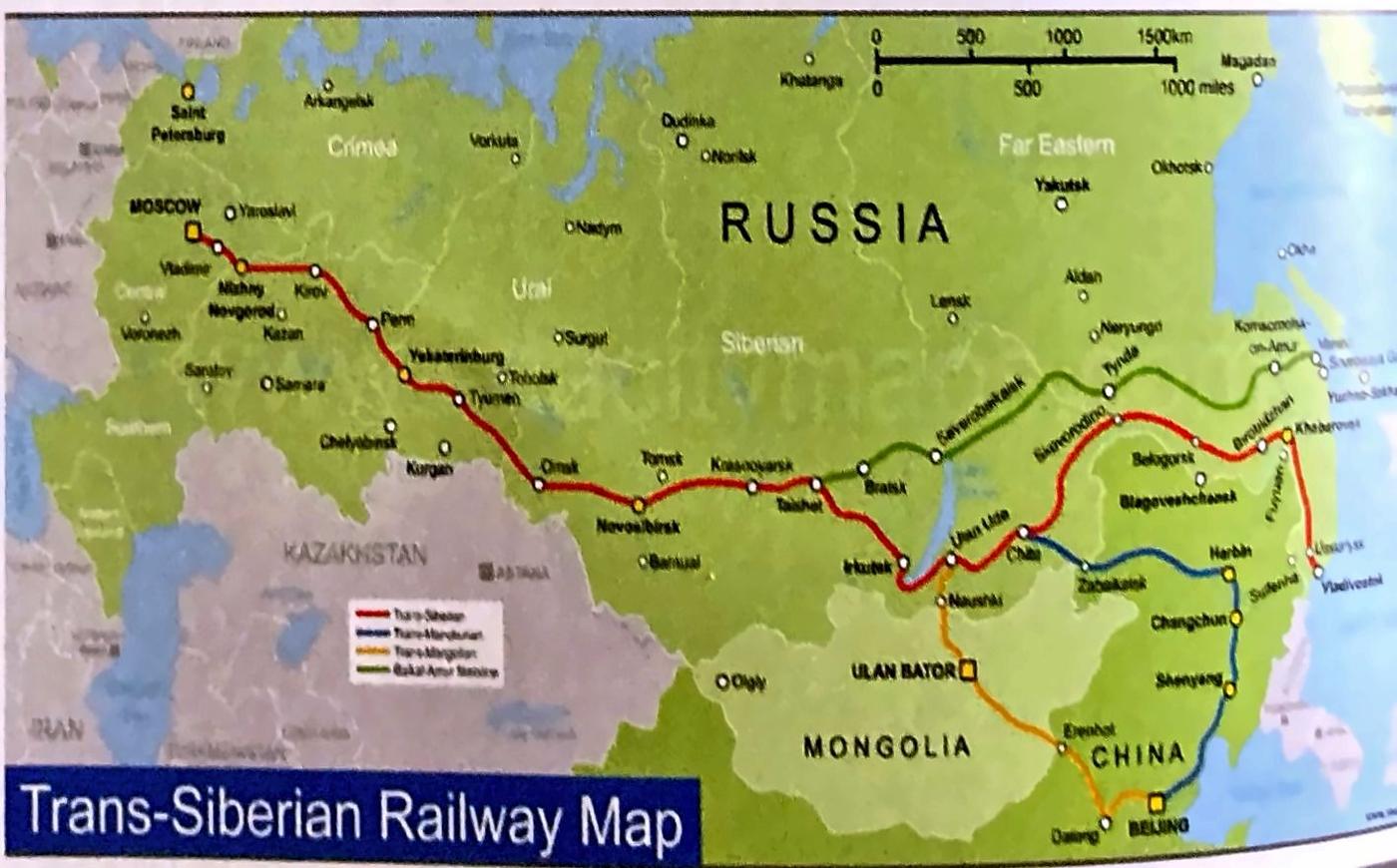
A steam locomotive puffing through a snowy forestMap of the Trans-Siberian Railway across Russia

Moscow to Vladivostok

The Trans-Siberian Railway

The Trans-Siberian Railway links western Russia with the Russian Far East. At over 9,289 km, it runs from Moscow, the largest city in Europe, to Vladivostok on the Pacific Ocean, and has connected the two cities directly since 1916.

Today it is Russia's most important transport link and a journey of a lifetime for travellers, with connecting lines into Mongolia, China and North Korea.

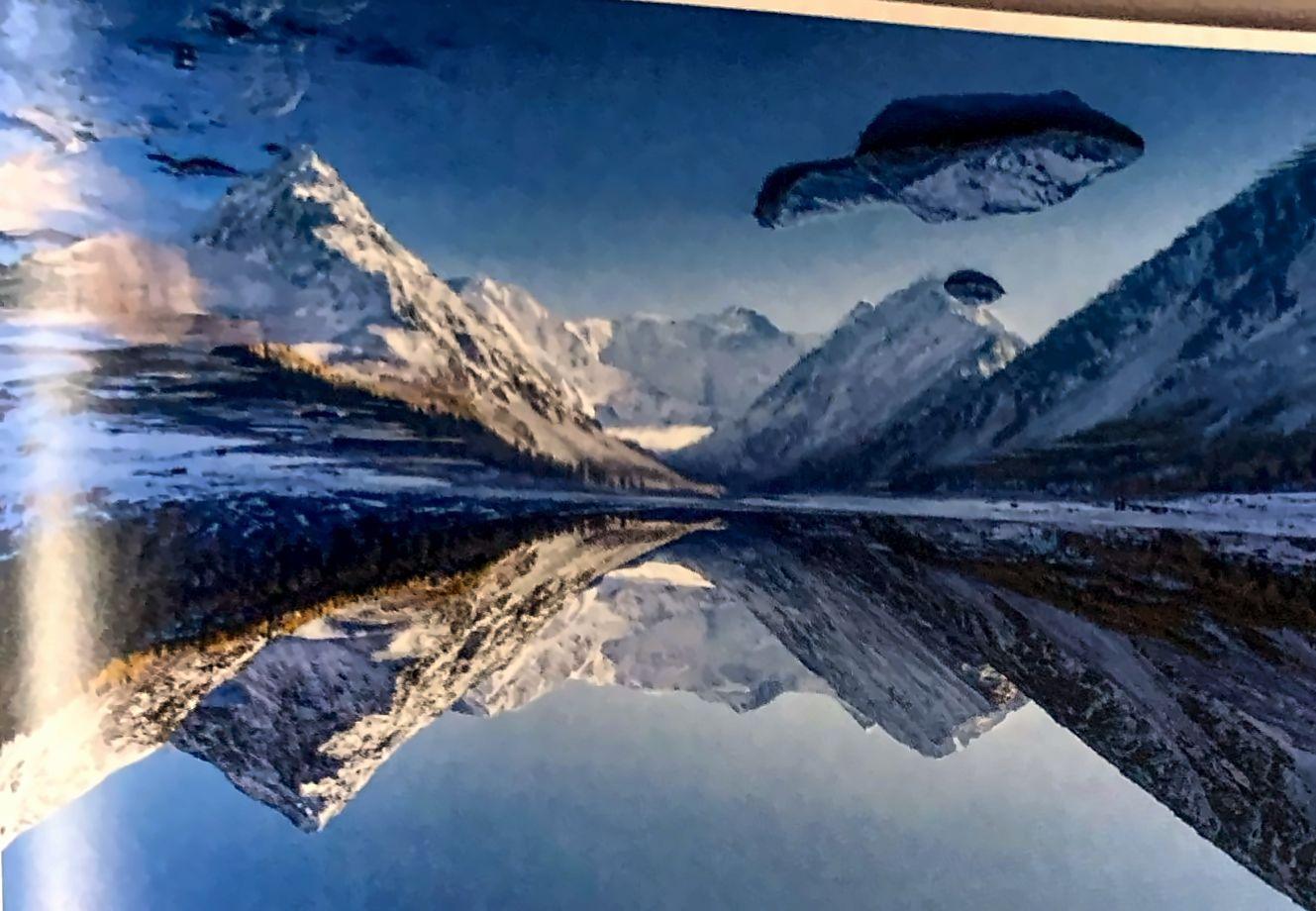
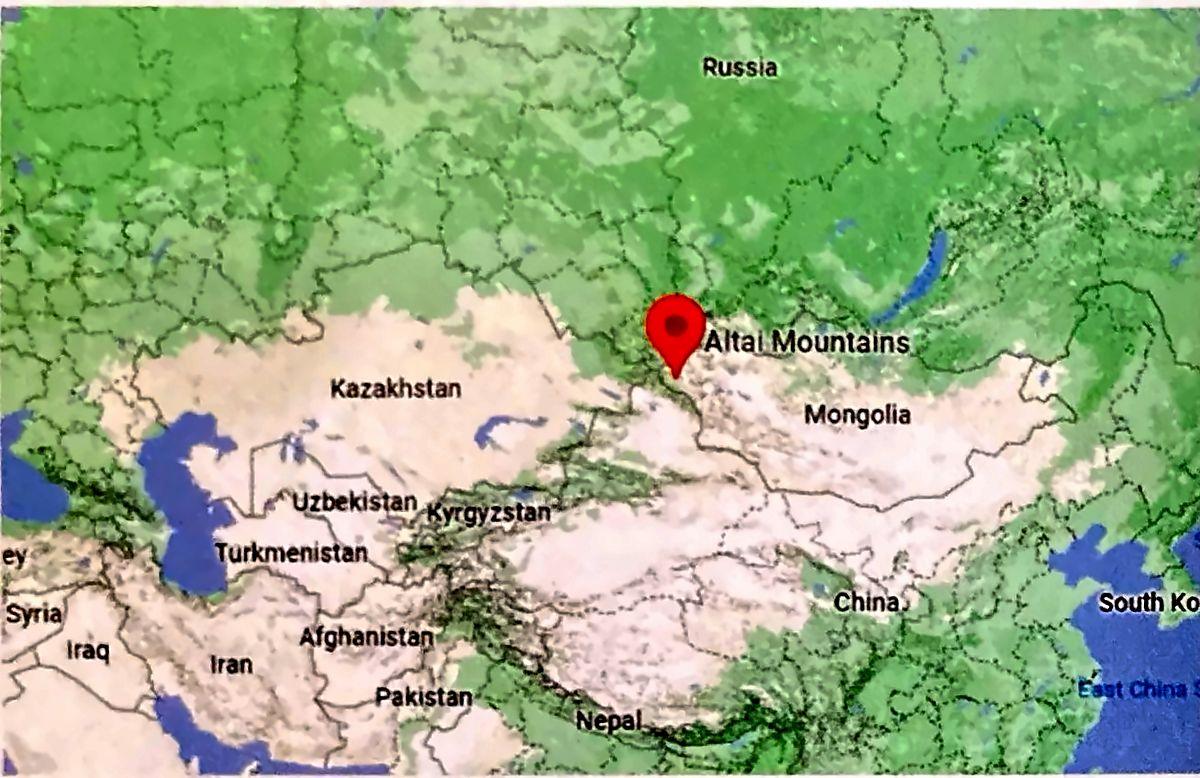
Mountains reflected in a still Altai lakeMap showing the Altai Mountains in southern Siberia

Siberia

The Altai Mountains

Where Russia meets Kazakhstan, Mongolia and China, the Altai Mountains are a wild landscape of snowy peaks, turquoise rivers and mirror-still lakes, much loved by hikers and nature lovers.

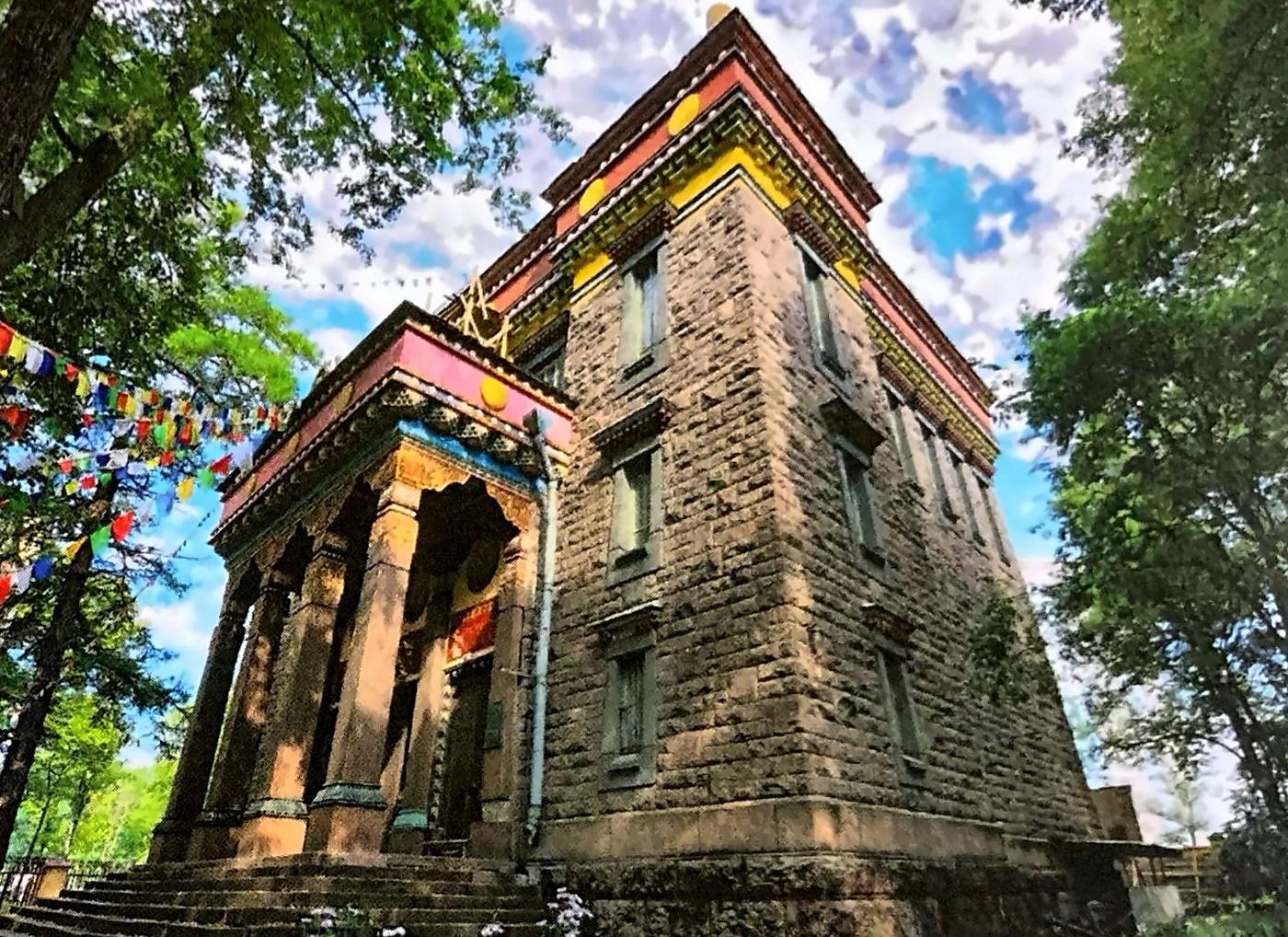
The stone Buddhist temple in St Petersburg among green trees

St Petersburg and Kalmykia

Buddhist heritage in Russia

Sri Lankan visitors are often surprised to find a living Buddhist tradition in Russia. Buddhists from the Kalmyk and Buryat peoples have lived in St Petersburg since the city was built, and the Datsan Gunzechoinei Buddhist temple was built there in the early 20th century.

In Elista, the capital of the Republic of Kalmykia, the Golden Abode of Buddha Shakyamuni, consecrated in 2005, is one of the largest Buddhist temples in Europe and holds a 9-metre statue of the Buddha.

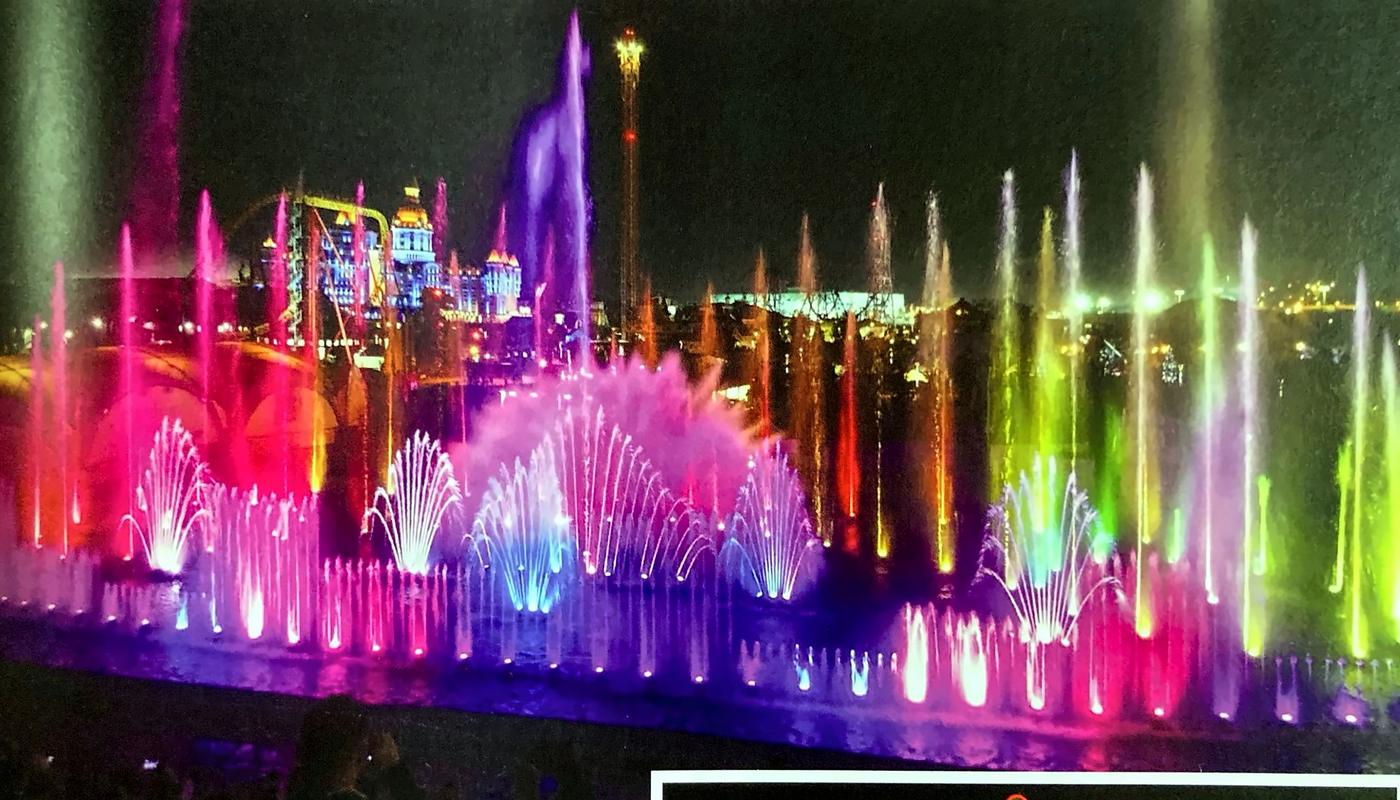
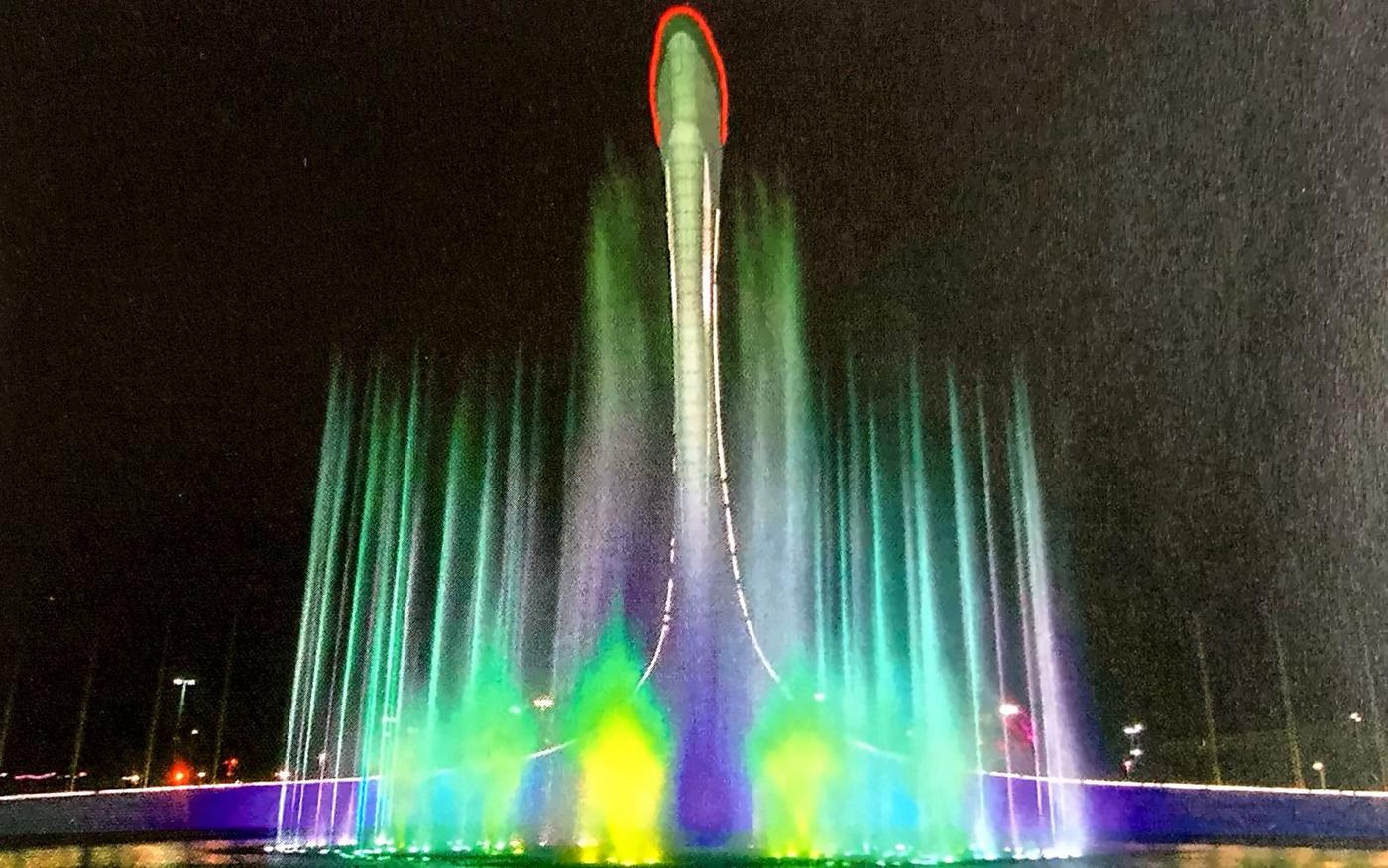
Colourful illuminated fountains at nightGreen and blue fountain show beneath the Olympic cauldron in Sochi

Sochi, Black Sea

The Singing Fountains of Sochi

In the Black Sea resort of Sochi, the Singing Fountains dance to music from classical to modern, with jets of water rising and falling in time with the melody. The show is magical after dark, with colourful lights.

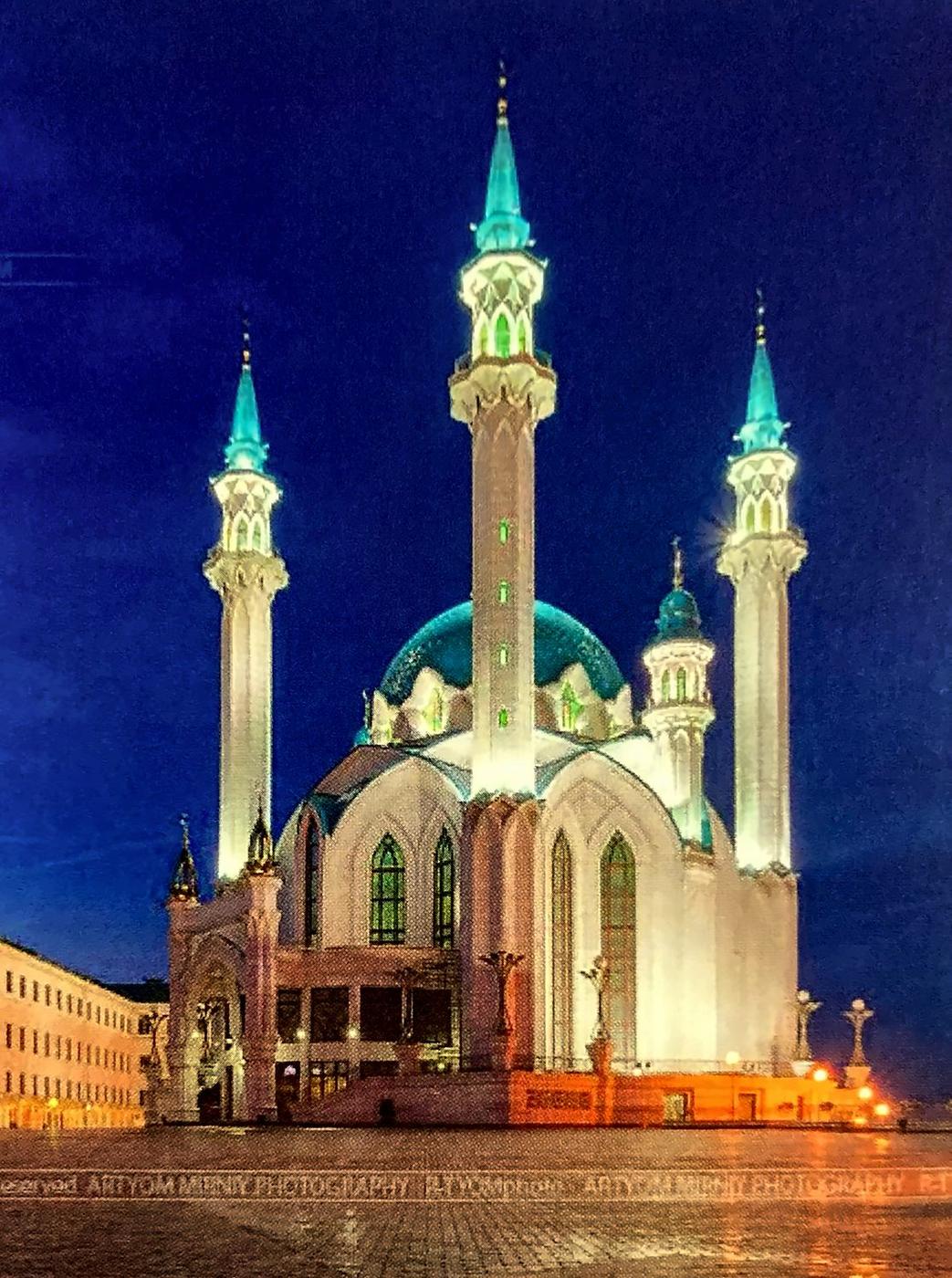
The Kul Sharif Mosque with blue domes lit up at dusk

Kazan, Tatarstan

Kul Sharif Mosque

Inside the Kazan Kremlin, the Kul Sharif Mosque recalls the original mosque destroyed in 1552 and is one of the largest mosques in Russia. Named after the religious scholar Kul Sharif, it can welcome 1,500 worshippers, and its blue domes and slender minarets are a symbol of Islam in the Volga region.

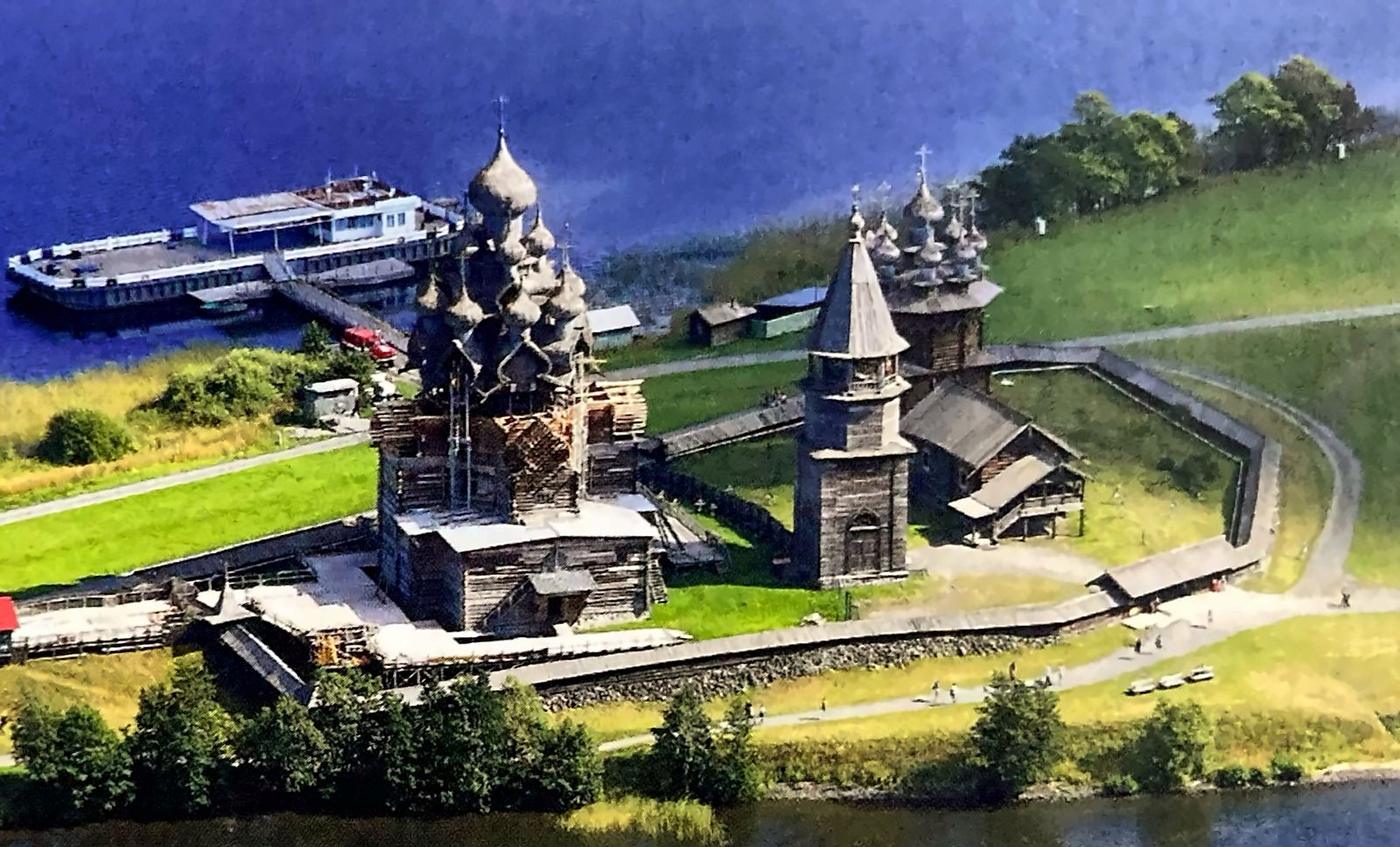
Wooden churches with many domes on Kizhi Island beside Lake Onega

Lake Onega, Karelia

Kizhi Island

Kizhi is an island in Lake Onega in the Republic of Karelia, on an old trade route from Novgorod to the White Sea. Its open-air museum of wooden architecture includes the 37-metre Church of the Transfiguration, with three tiers and 22 wooden domes.

Photographs reproduced from the Russian House souvenir album.

Study in Russia on a state scholarship

Every year Sri Lankan students win scholarships to study free of charge at Russian state universities.